Affiliate Marketing vs. Selling Digital Products: Which is Better for Beginners in 2026?
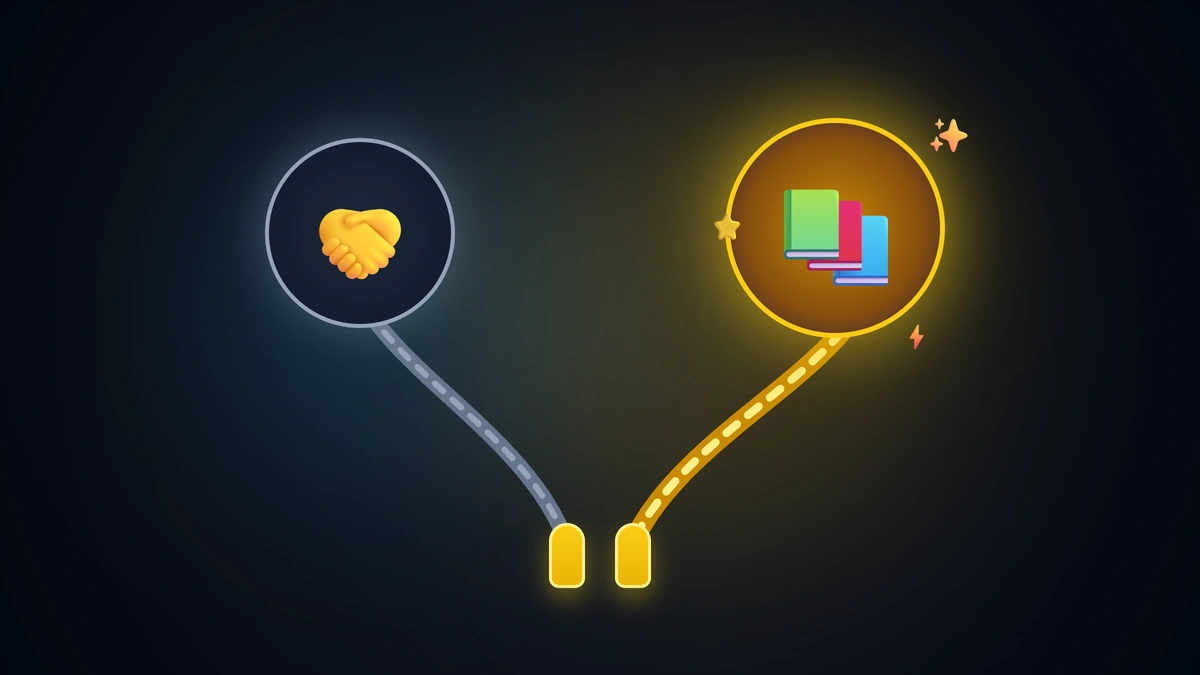
When entering the online business ecosystem, aspiring creators encounter a classic dilemma: "Should I promote other companies' offers for a commission (Affiliate Marketing), or should I create and distribute my own digital downloads (Digital Products)?". The transparent reality in 2026 is that affiliate marketing strictly demands an existing audience or substantial paid ad spend to convert, whereas selling your own digital products allows complete beginners to launch from zero with no following and retain 95%+ net profit margins on every single sale.
💡 Core Takeaways from this Comparison:
- The Unit Economics Matrix: Commission percentages, audience requirements, and customer data ownership compared.
- The Affiliate Traffic Trap: Why 90% of beginners fail at affiliate marketing without paid traffic budgets or established social followings.
- The Power of Asset Ownership: Building permanent digital equity compounding at 95% pure retained profit.
- The Hybrid Growth Roadmap: Starting with digital products first, then integrating affiliate backend recommendations.
1. 2026 Business Model Evaluation Matrix: Affiliate vs. Digital Products
| Evaluation Metric | Affiliate Marketing | Selling Digital Products |
|---|---|---|
| Retained Profit Margin | 5% to 30% commission (Merchant keeps 70-95%) | 90% to 98% pure retained net profit |
| Audience & Traffic Requirement | High (Demands massive top-of-funnel traffic) | Zero Following Needed (Leverages built-in Etsy/KDP SEO) |
| Customer Data Ownership | Zero (The merchant permanently owns the lead) | 100% Owned (Builds your own valuable email asset) |
| Pricing & Promotional Control | Zero (Merchant sets prices, terms, and payouts) | Total sovereignty over pricing, bundles, and discounts |
| Platform Risk & Deprecation | High (Merchants can slash rates or terminate links) | Permanent digital assets that cannot be revoked |
| Startup Capital Required | $50 - $200 (Web hosting, domains, ad testing) | $0 - $20 Total |
2. Deep-Dive Analysis: Why Digital Products Win for Beginners
1. The Traffic & Conversion Reality
- In Affiliate Marketing, assuming a 1% conversion rate and a $10 commission, you must drive 1,000 highly targeted clicks to earn $100. Without an established YouTube channel, TikTok following, or paid ad budget, driving that volume is extremely difficult.
- In Digital Products Commerce, marketplaces like Etsy and Amazon KDP already host tens of millions of active shoppers with credit cards in hand. Targeting long-tail search keywords puts your offer directly in front of buyers organically without a personal brand.
2. Profit Retention & Compounding Value
- Selling an affiliate software or book at $20 yields a nominal $2 to $4 commission.
- Selling your own coloring book, financial planner, or educational flashcard deck at $15 deposits $14.00 in pure net profit directly into your bank account.
3. Automated Modern Production
- In past years, authoring and designing digital assets required months of specialized labor.
- Today, automated generation platforms like Digital Products Maker produce print-ready 300 DPI activity books, planners, and flashcards in minutes, permanently eliminating the design barrier.
3. When Does Affiliate Marketing Make Sense?
Affiliate marketing is not inherently flawed; it is simply an inefficient starting point for someone with zero audience:
- Affiliate marketing thrives as a secondary monetization layer after you have built a customer email list from your digital product sales.
4. Beginner Decision Action Checklist
- Assess your baseline: do you have an active audience (Affiliate) or are you starting from scratch (Digital Products)?
- Select 1 high-utility evergreen niche (preschool learning aids, budget trackers, home decor art).
- Compile a commercial-grade 300 DPI master PDF deliverable.
- List on Etsy or Gumroad and optimize all 13 keyword search tags.
- Collect customer emails at checkout to build permanent brand equity.
5. Frequently Asked Questions (FAQ)
Can I combine digital products and affiliate marketing?
Yes! The most profitable creators include helpful affiliate resource links inside their digital PDF workbooks, creating dual revenue streams from a single transaction.
How quickly can a beginner make their first sale?
Creators publishing 5 to 10 keyword-optimized digital listings on Etsy typically log organic sales within 7 to 14 days, compared to months of audience nurturing required for affiliate traction.
Do I need writing skills to launch digital products?
No. The highest-converting categories in 2026 are visual and functional low-content assets (coloring books, flashcards, budget sheets) generated automatically by specialized software.
Summary and The Strategic Verdict
If you lack an established social media following and a large ad budget, selling your own digital downloads is the highest-leverage, fastest path to online income in 2026. Build assets you own, retain 95%+ profit margins, and let built-in marketplace search engines deliver pre-qualified buyers around the clock.